CENTRAL AFRICA
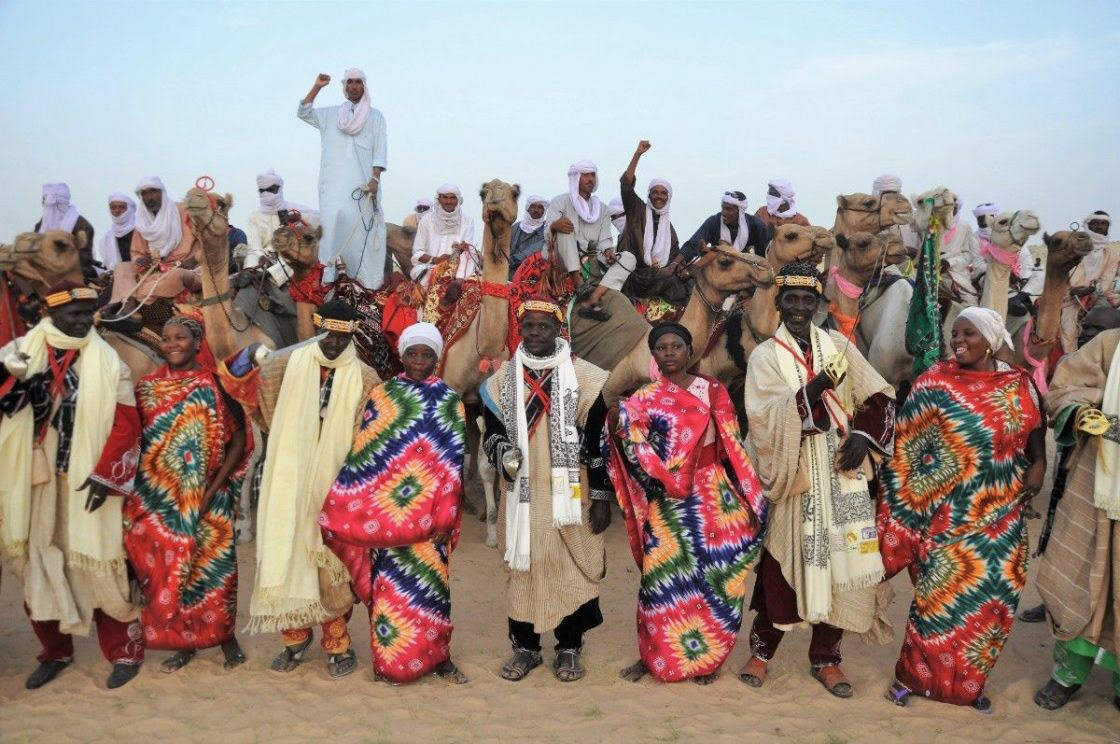
Their clothes are based in comfort, beauty and cultural meaning. Chad doesn't have one traditional dress clothing, it has two of them from Sara people (South) and Toubou people (North).
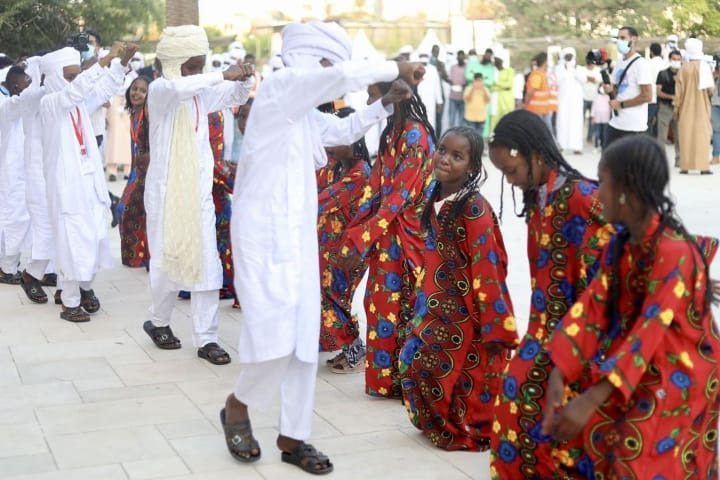
- Darrah & Jalabiya: In the north, men wear flowing robes- often in white or earth tones with clean lines and minimal embellismenth- to combat the desert heat. These garments serve both practical and cultural purposes.
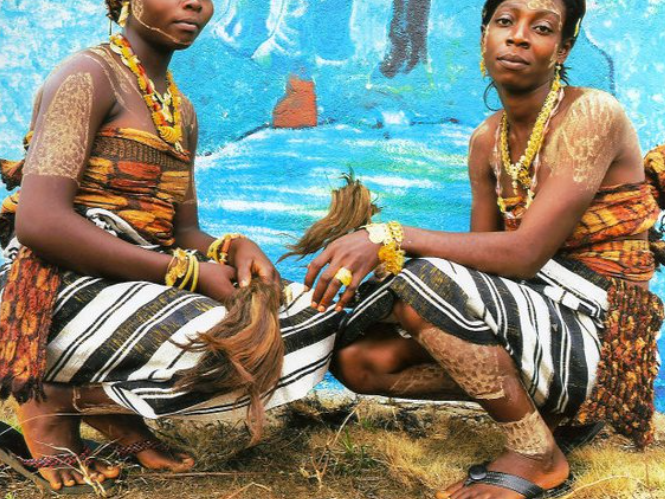
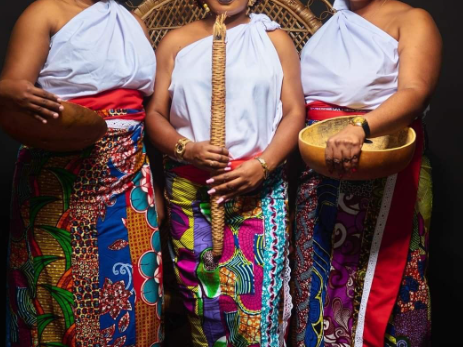
- Pagnes & Embroidered Blouses: In the south, women favour vibrant pagnes (wrap skirts) adorned with bold geometric patterns (also known as Ankara). These are often paired with richly embroidered blouses that highlight the wearer’s ethnic identity.
- Alasho & Turbans: Inspired by trans-Saharan trade routes, turbans like the alasho (dyed indigo) symbolize wealth and protection against the harsh climate.
Two different relationships between community and landscape. To understand the fashion of this tribe, like those in the rest of Africa, we have to look at it from a perspective beyond aesthetic and see it as living ethnic traditions.
Reflect desert and savanna life, and what distinguishes each community’s attire.
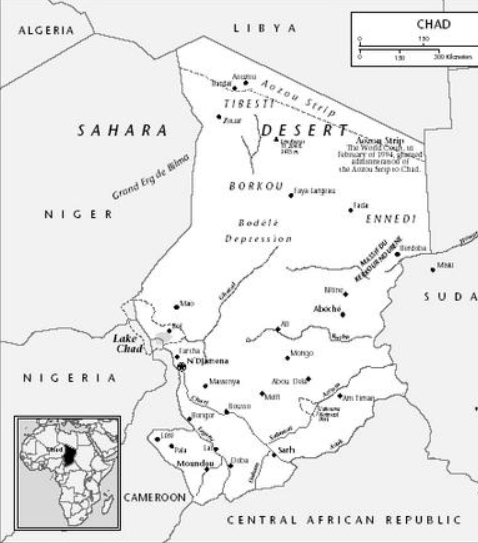
The Toubou live in the arid northern zone (Tibesti and Ennedi mountains) and in the part of the Sahara that separates them. Living in the desert means being exposed to big climate changes, protecting yourself from the intense sun and sandstorms, so there have to be non-negotiable clothes for comfort and protection - survival clothing. Meanwhile, the Sara live in a more fertile area with more rivers, so clothing is influenced by different pressures such as the agricultural cycle, social rhythms, climate, etc.
The Sahara and savanna produce different types of natural enviroments, which is what drives the differences between the two communities more than any disputes about traditional Chadian attire.
Toubou Dress: Clothing Built for the Sahara.
Organised around protection and mobility.
Loose tunics are the most common if you have to move through the desert. The loose design let the air circulate under the fabric, while the length and coverage protect you from getting too hot- also shielding you from sand and strong winds.
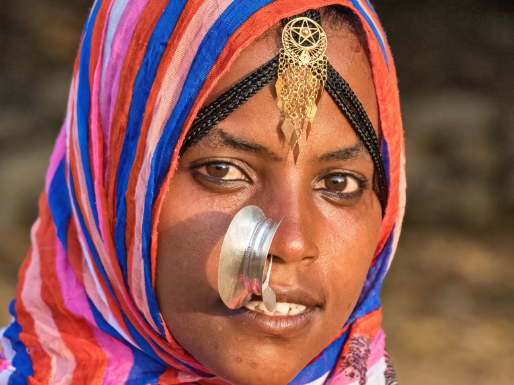
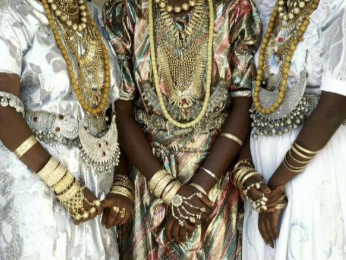
Women wear unique jewellery related to cosmology like the Tuareg, connected to them in their way of living.
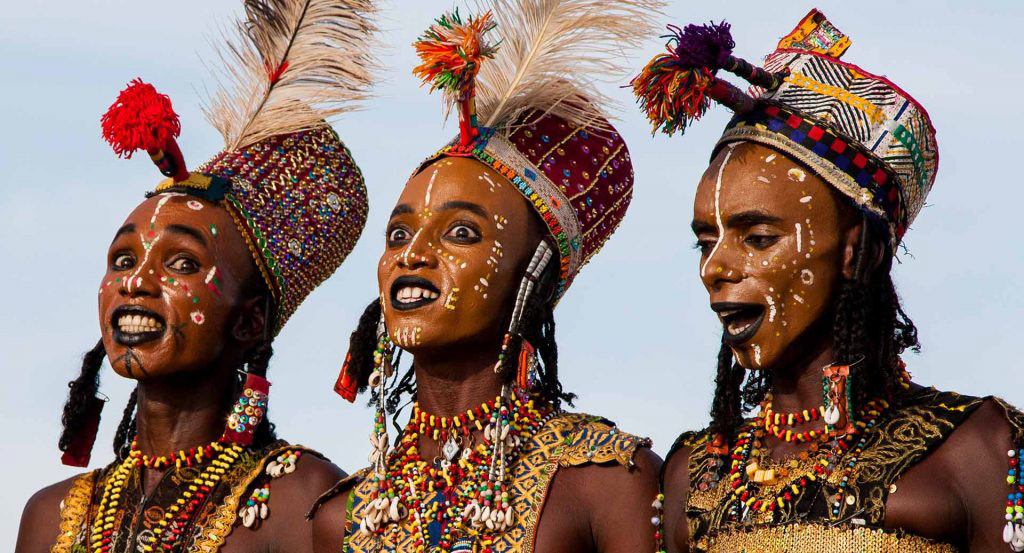
Toubou men wear turbans, wrapped head cloths as practical tools and ceremonial items. Wrapped heads keep warmth for the coldest nights. The garments are practical at first. They become cultural because as is a practical knowledge, transmitted across generations.
The Sara people of southern Chad
Cotton cloth, locally produced, becomes a carrier of local identity in ways that factory-imported fabric cannot replicate.
The Sara people have developed their traditional clothing for different weather conditions, so most families grow millet, sorghum, cotton, etc. This provides them with a source of fibre for textile production. Their clothing is tied up with social identity and community rituals. The most cultural attire appears when families gather and when generations pass down knowledge.