KRAO PEOPLE
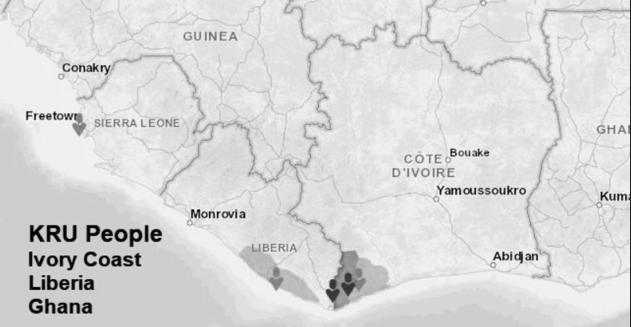
Kru people (Krou/Kroo) distinct cultures were all lumped together under the collective term "Kru", a corruption of the original "Krao" by Europeans with whom they traded as far back as the fifteenth century.
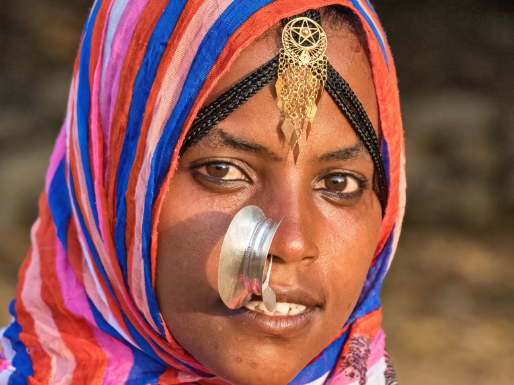
Successive waves of migration brought them overland from the east and north, and by the sea. Those coming from the Gedeh forests to the north claimed Mount Pahn in the Putu Range as their ancestral home. The Kru people were distinguished by their strong and persistent rejection of slavery. They started tattooing their noses with indigo to stand out from the slave labour.
It was extremely difficult for slave traders to capture members of this group
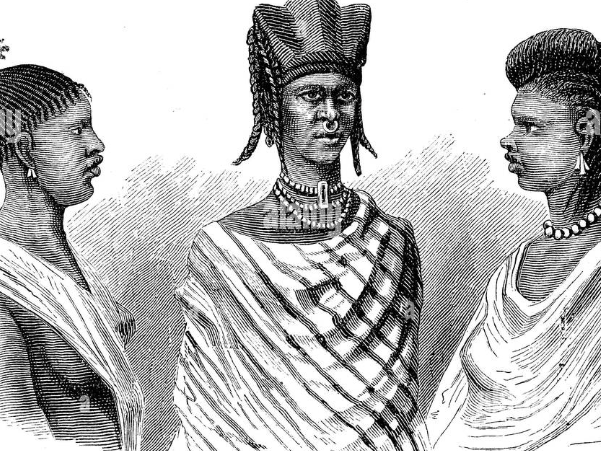
This traditional attire is visually distinctive, deeply symbolic, and closely tied to the Kru people’s history as maritime specialists, resistant communities, and forest‑coastal artisans of Liberia and Côte d’Ivoire.
The core aesthetic blends handwoven country cloth, bold geometric striping, earth‑tone dyes, and heavy ritual adornment.
Lineage, status, and cultural pride.
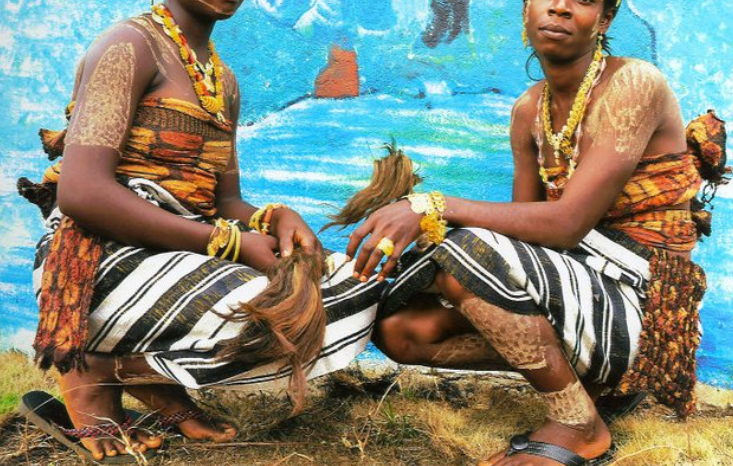
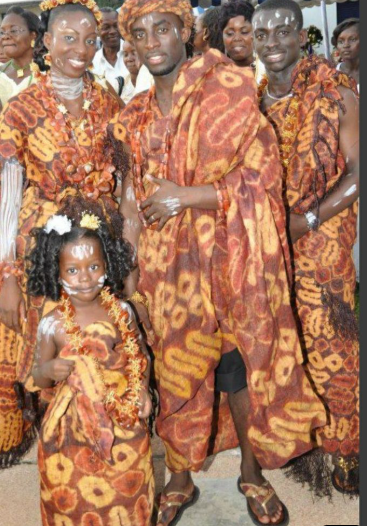
They use the country cloth garments made from hand-spun cotton, which they turn into tunics and wrappers using striped indigo patterns in colours like blue, brown and white -symbolizing the historic indigo Kru facial mark.
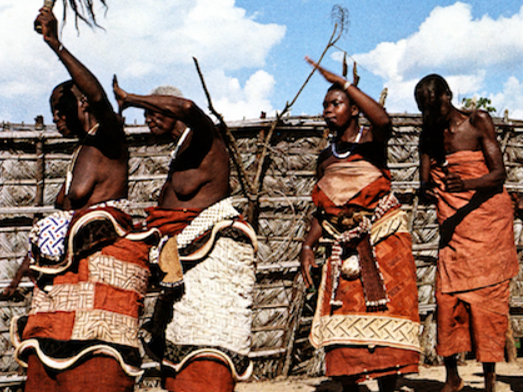
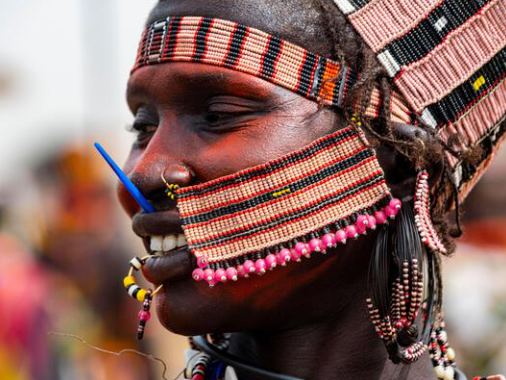
During weddings, funerals and clan gatherings, they wear shades of brown, rust and ochre. Layered necklaces, cowries and carved wooden staffs signals of age, authority and rituals roles. Turbans or beaded crowns are worn by elders, chiefs and ceremony participants. Women wear two pieces, one as a skirt and another over the shoulders.
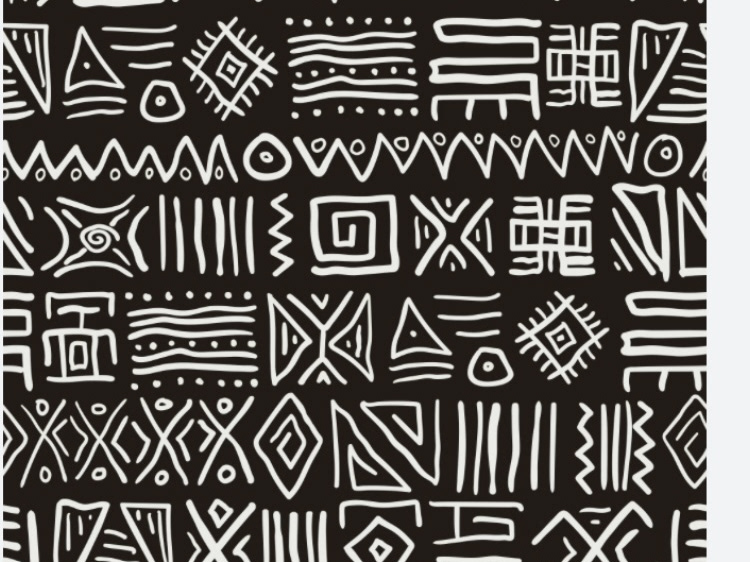
Their clothes radiate a visual warmth with circular and linear patterns that to the eye may look like arid lands, expressing their connection to the earth.