MYENE PEOPLE
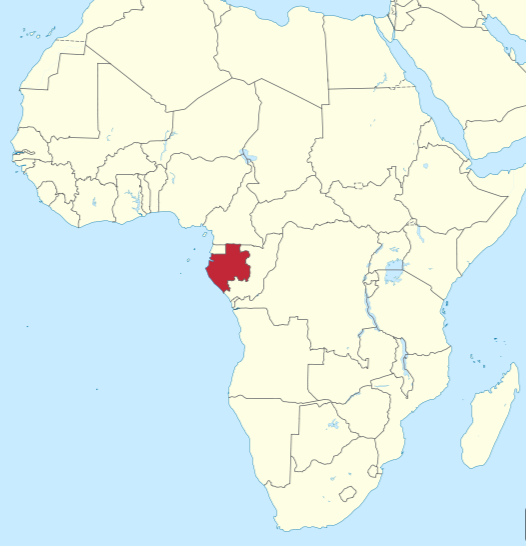
Myene people live in Estuaire, Ogooué-Maritime, and Moyen-Ogooué provinces. First gabon people to have contact with europeans in 15-16 century where their culture started to blend within maritime life, clan-based organizations, indigenous spirituality and catholic influences.
They produced Gabon's first scholars and remain influential in the nation's educated elite.
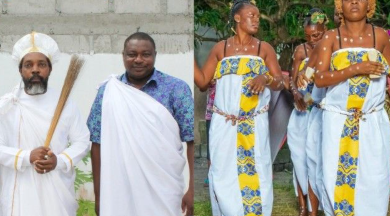
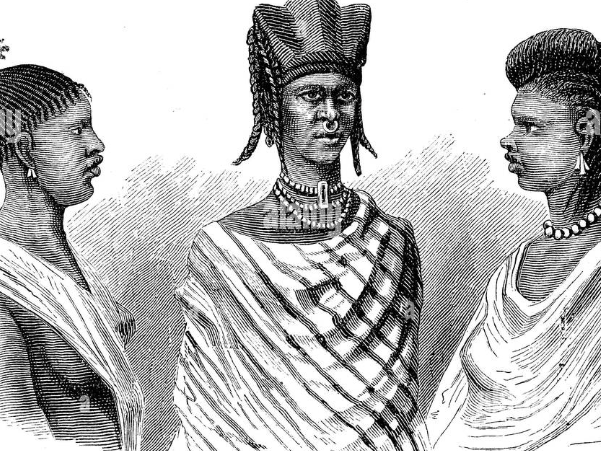
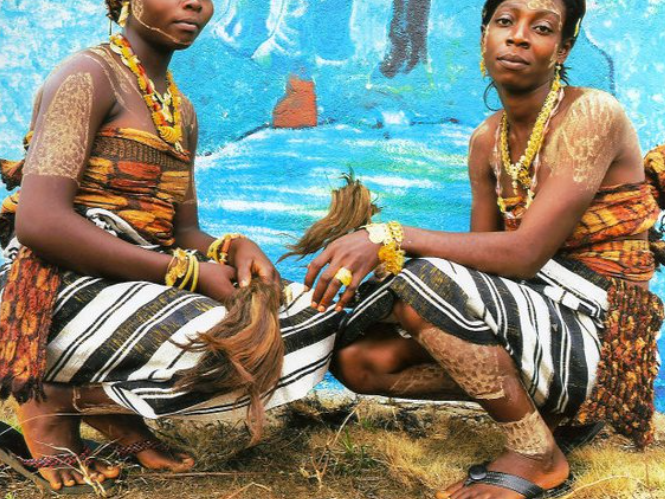
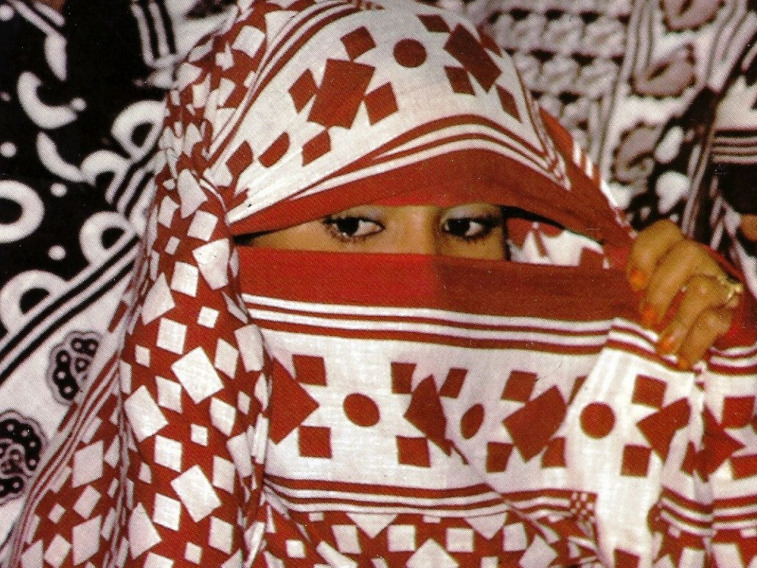
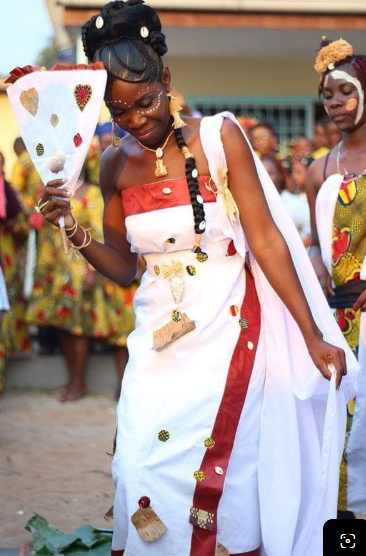
Myene clothing a visual language of beauty, fertility, clan prestige, and ritual authority, with the iconic Okorwè cloth at its center. Embodies the beauty of women, the divine feminine, and the importance of their role in social and spiritual life.
PURITY, LINAGE and MARITAL ALLIANCE.
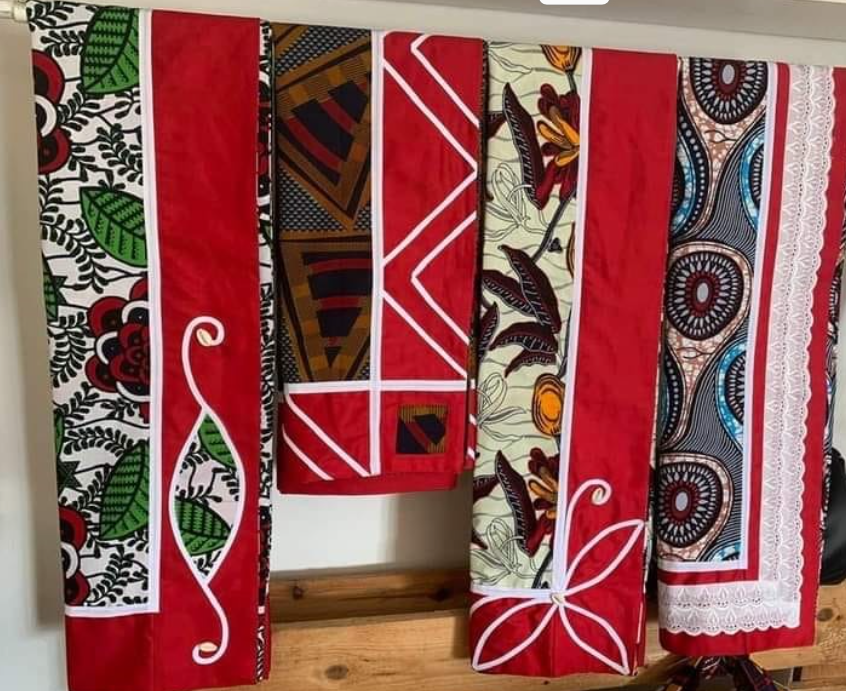
The keys of Okorwè cloth is white or light-colored base cloth with a red border symbolizing blood, creation, fertility and abundance sewing by women using porcupine-spine needles. In tradition, the woman who wore the Okorwè was seen as a very beautiful woman.
Usually offer to a daughter preparing for a marriage, for a grooms's family and for estemmed men and woman, symbolizing wisdom and dignity. Compared with other Bantu cultures, Okorwè cloth is a prestige garment.
The emphasis on female artisanship—especially in the making of Okorwè—reflects the Myene worldview where women embody creation, continuity, and social harmony.
TRADITIONAL ATTIRE BECAME CEREMONIAL
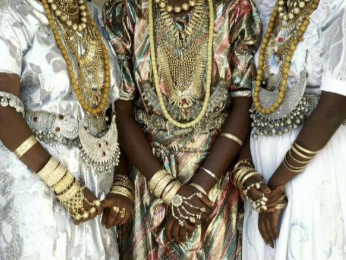
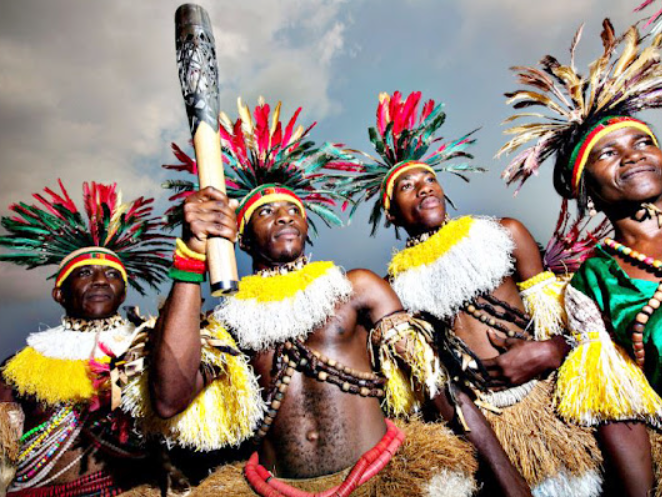
At the ceremonial wedding women usually wear red, blue or gold embroidery with beaded headpieces and accessories like fans, baskets and carved objects.
Men dress in white tunics with colorful edges, accompanied by large hats and accessories made of carved wood symbolising authority.