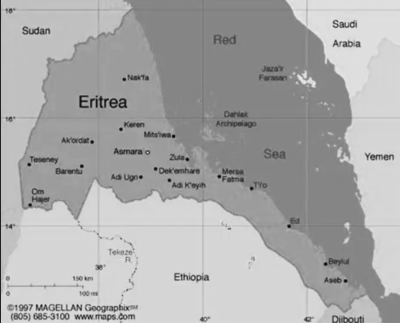
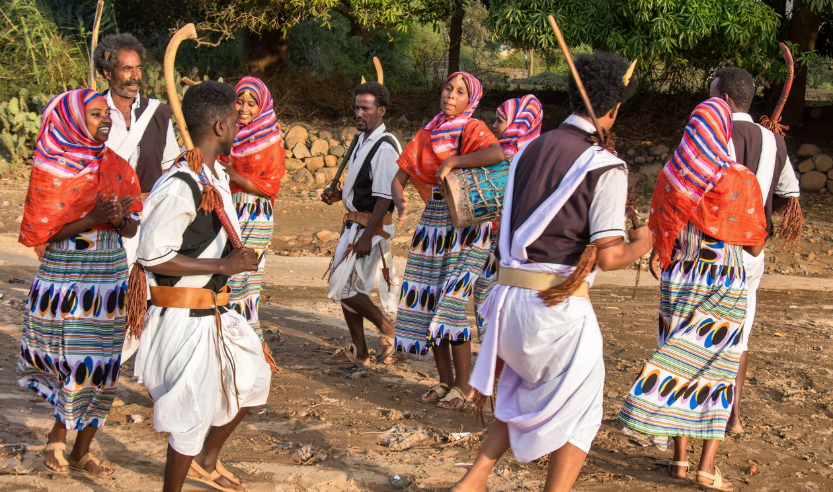
Bilen are the three percent of Eritrea's population, living around Keren with fertile valleys forming a border area between highland and lowland cultures.
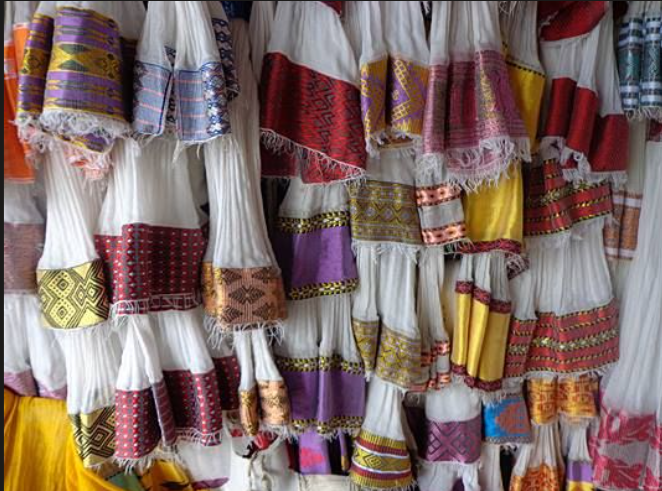
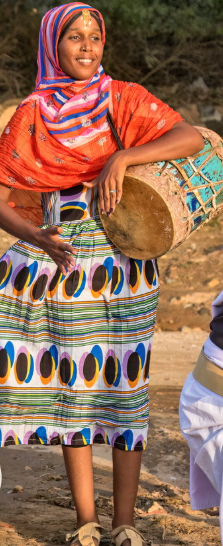
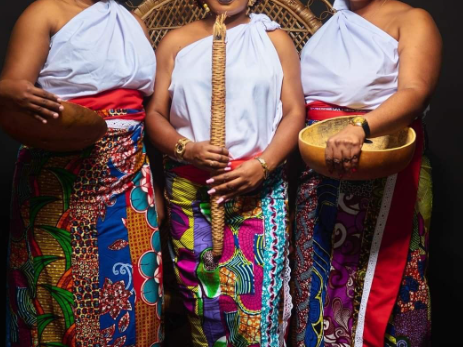
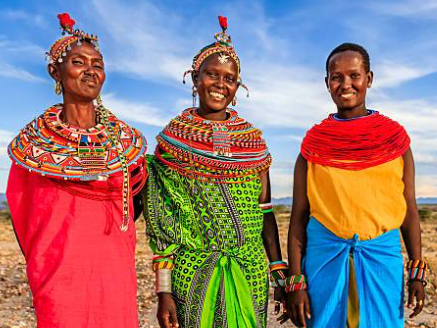
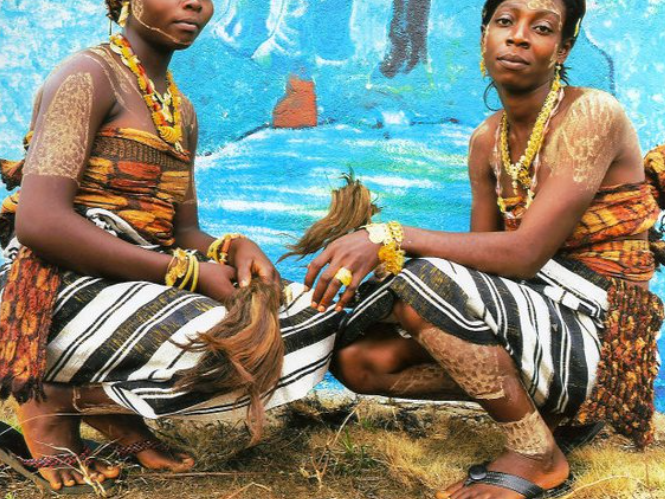
Women usually wear colourful dresses made from cotton, with regional embroidery related to Habesha textile traditions, defined by natural fibres, loom-woven strips and tibeb-style borders giving identity and status.
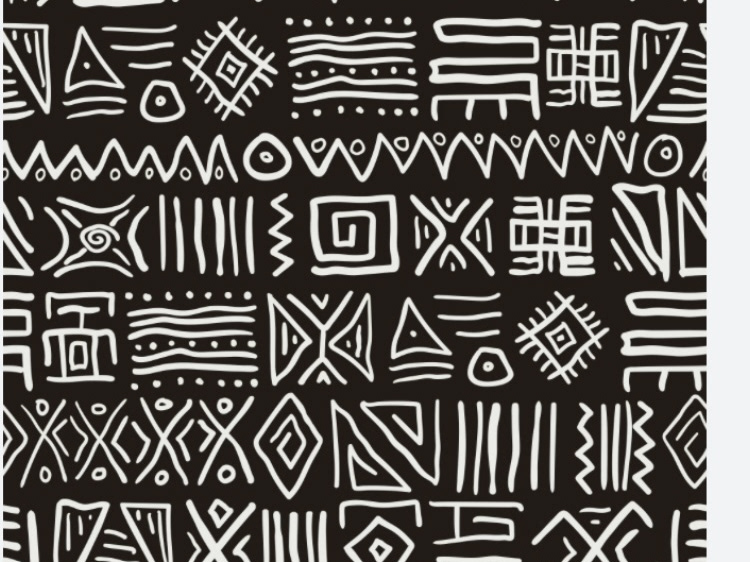
Shemma cloth is essential among Eritrean women, used for white or ivory dresses, made from hand-spun fetil thread. Tribes use geometric motifs and colours like red, gold, green, violet and blue, and a single border can take 40-80 hours of labour.
Textile/Role/ Technique/ Cultural Meaning
Handwoven cotton/Base fabric/ Loom‑woven strips/ Purity, tradition
Shemma/White ceremonial dresses/Hand‑spun fetil cotton/ Highland identity
Tibeb embroidery/ Borders & motifs/ Handwoven,embroidered/ Region, status
Metallic threads/ Wedding,holiday shine/Metal‑wrapped fibers/ Prestige
Netela/Shawl layer/ Gauzy cotton weave,/modesty and ritual
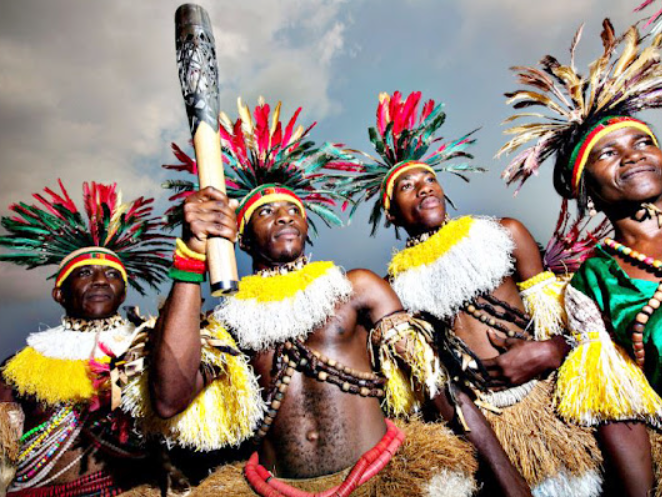
The men wear simple white tunics or in earthy tones, sometimes with a vest. As accessories, they usually wear silver leg bands, earrings or ceremonial sticks with turbans. It's a Muslim-Christian region, so it's divided into two clans: Bet Tawqe and Bet Tarqe, where their textiles, patterns and symbols vary.
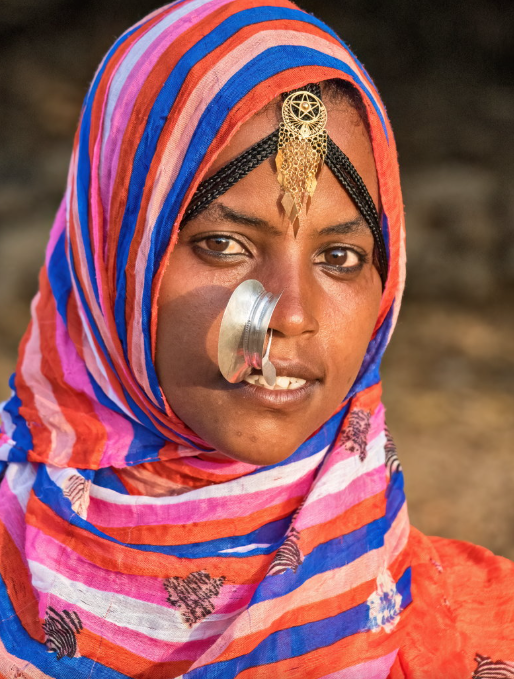
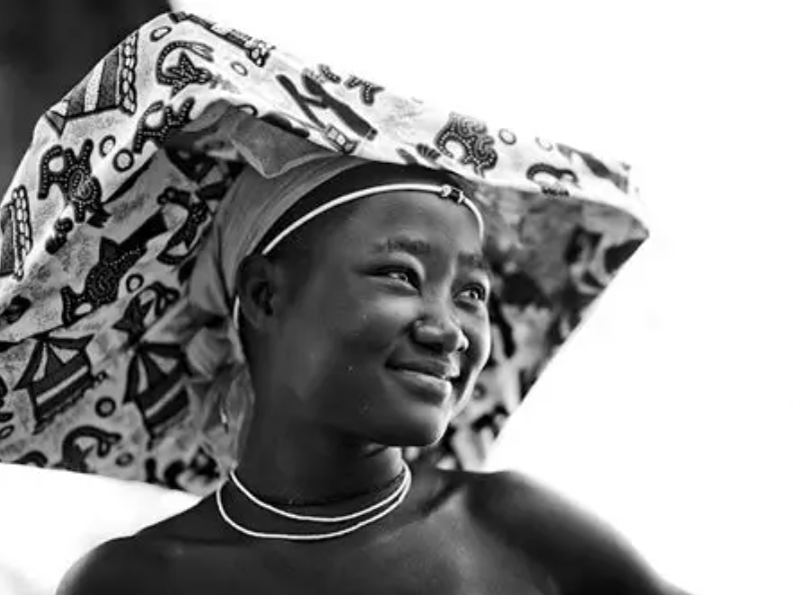
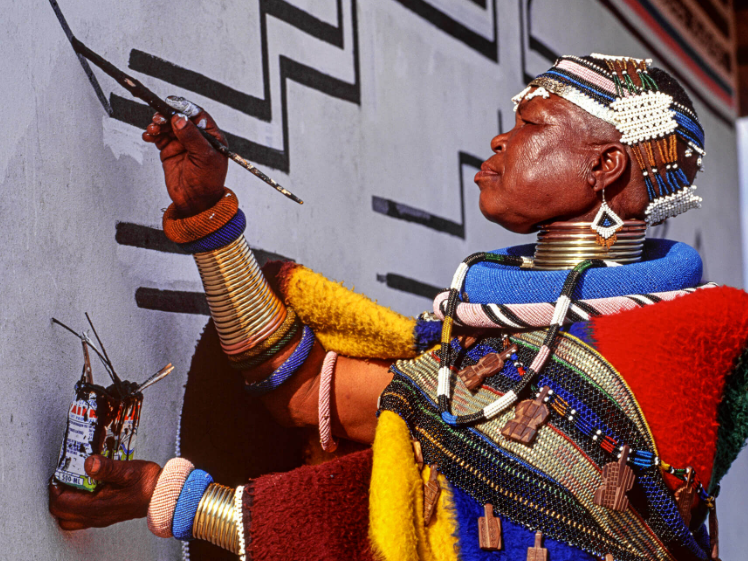
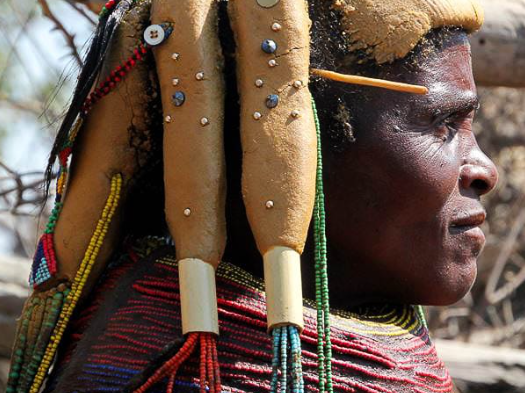
Jewellery in this part of Africa plays a crucial role in identity and heritage; what for me characterises identity is the Kohl in the eyes where one's gaze can convey that cultural expression and the distinctive piece in the centre of the head.