DEMOCRATIC REPUBLIC OF CONGO
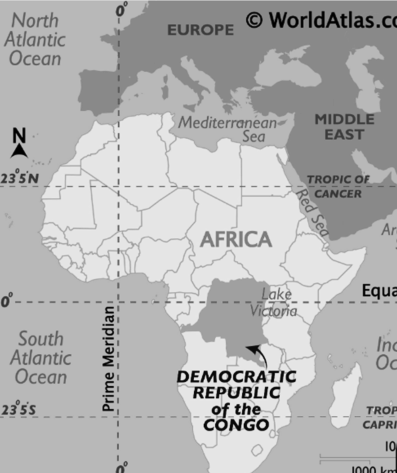
It is the largest country in sub-Saharan Africa, home to a diverse population exceeding 100 million, and contains the second longest river in Africa, the River Congo
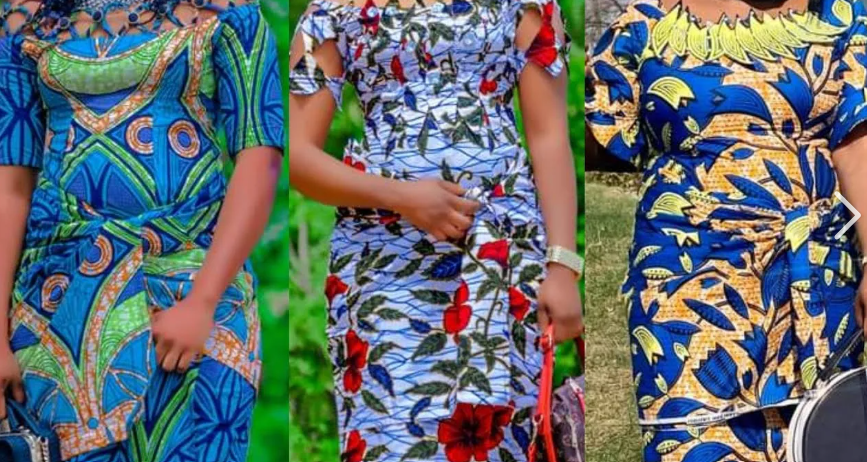
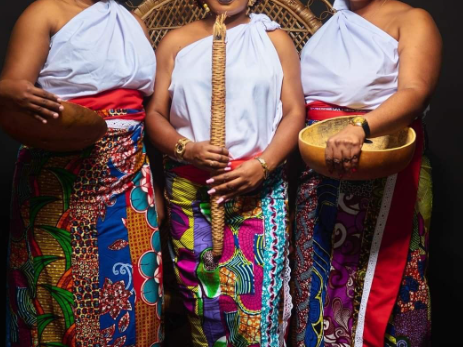
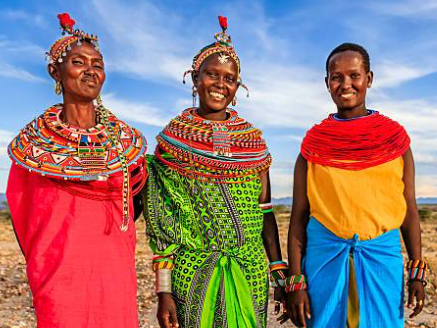
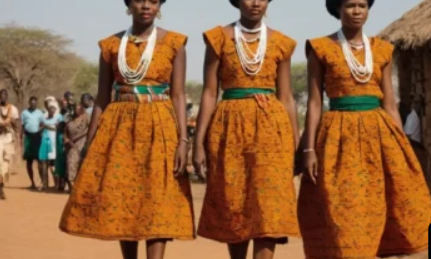
The liputa is a traditional clothing wear by woman in Congo, brighter colored loose robe made from woven fabric with patterns and designs. Some versions are adorned with beads, shells, or other embellishments, while others are left plain
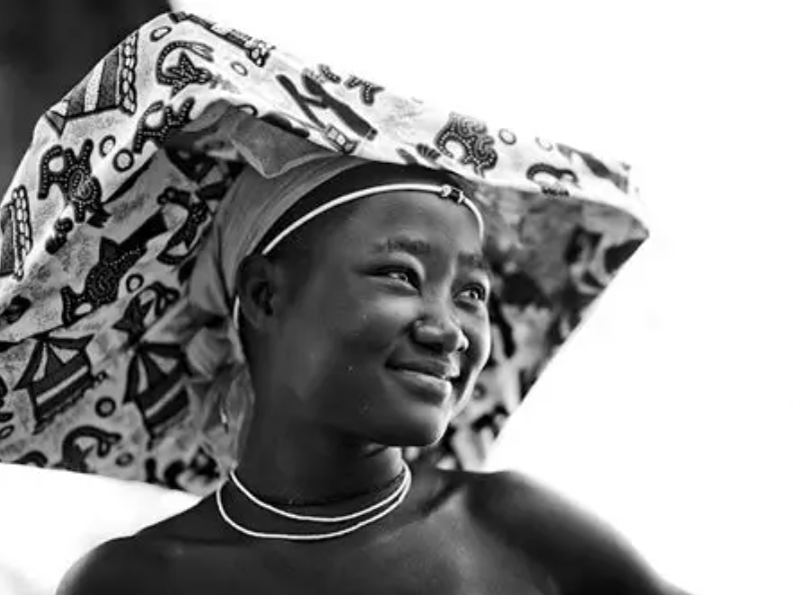
Worn by royalty back to the Kuba Kingdom. Representing elegance and strength. Is formed for 4 pieces: a blouse, a waist wrapper, headscarf and shoulder draper, which vary by region.
Colours carry meanings: red represents power, blue symbolizes peace and yellow wealth. The woven fabric is handmade using raffia or cotton, and the dyes are made from plants and minerals, which is a big part of African traditional techniques and knowledge.
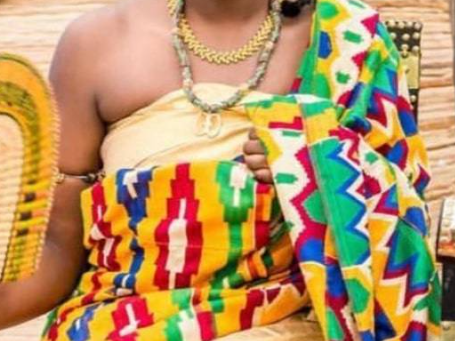
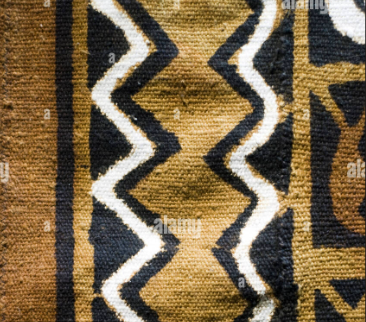
Another well-known attire is the Kuba cloth. They are woven on looms and feature geometric patterns and designs inspired by nature. They can be used to create various garments like robes, wraps and headwear.
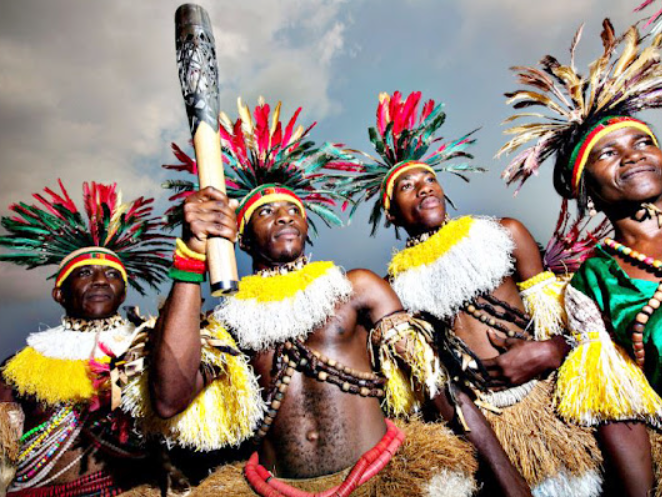
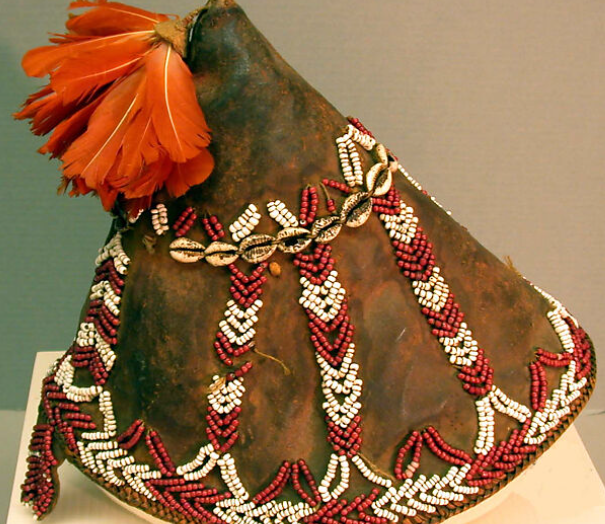
the Tete are usually wear by men, is a prominent headwear, can be made from materials such as straw, leather or wood. It can represent meaning, status, or power.
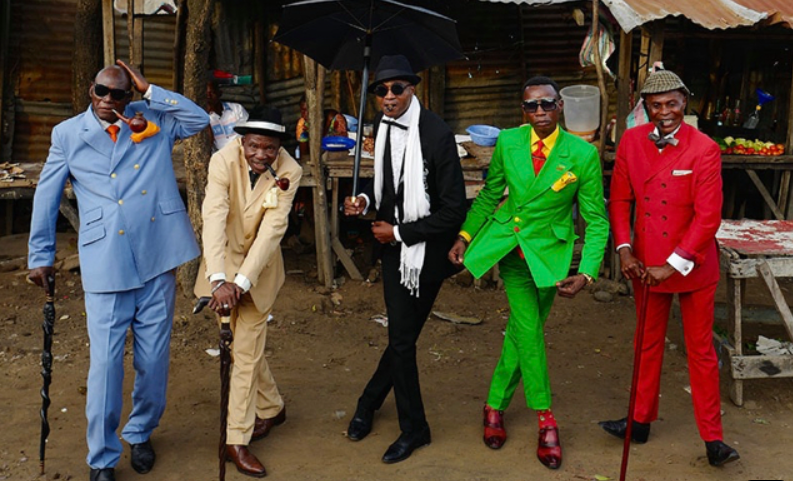
Then you can find Les Sape (La société des ambianceurs et des personnes élégantes)
Les Sape was a political and fashion movement that can be traced to 1920s Brazzaville and Kinshasa, the capital cities of both Congos. The movement's growth accelerated around the late 1960s in Kinshasa, with singer Papa Wemba a key driver of this through his outspokenness against the regime of Mobutu.
It’s defined by impeccable tailored suits, bowler hats, canes, pipes, plump bow ties, bright pocket squares (stuffed in, not folded), evening scarves, and flashy coordinating socks.
Allowing the tailored suits and bold colours to mark a recognisable stamp on Congolese fashion.
Some measures like banning European clothes and making sure newborns don’t get non-African names strengthened the country’s identity after colonialism.
Men and women would wear monochromatic suits paired with traditional African prints, adding dimension and character to the pieces. There was an intention to reclaim and reshape identity through encouraging Africans to embrace a global, fluid style of fashion while still resisting previous colonial rule.