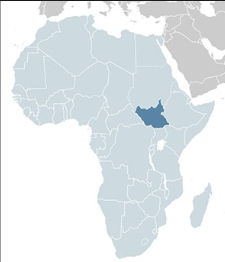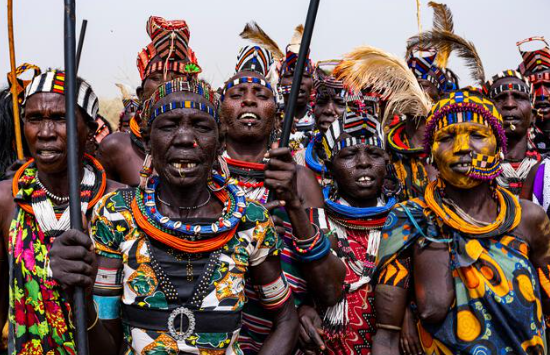
Jiye people are part of the so-called Karamojong Cluster, a set of societies with which they share acknowledge a tradition of common origin.
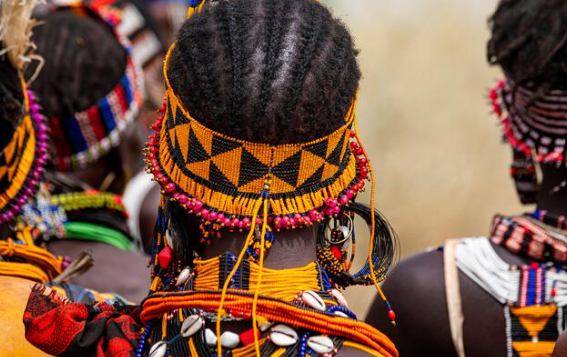
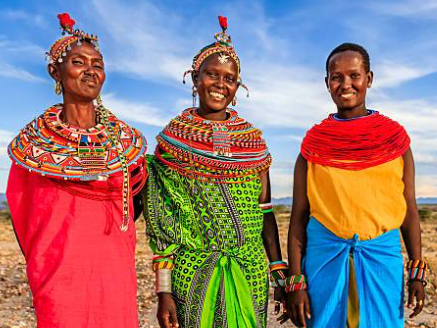
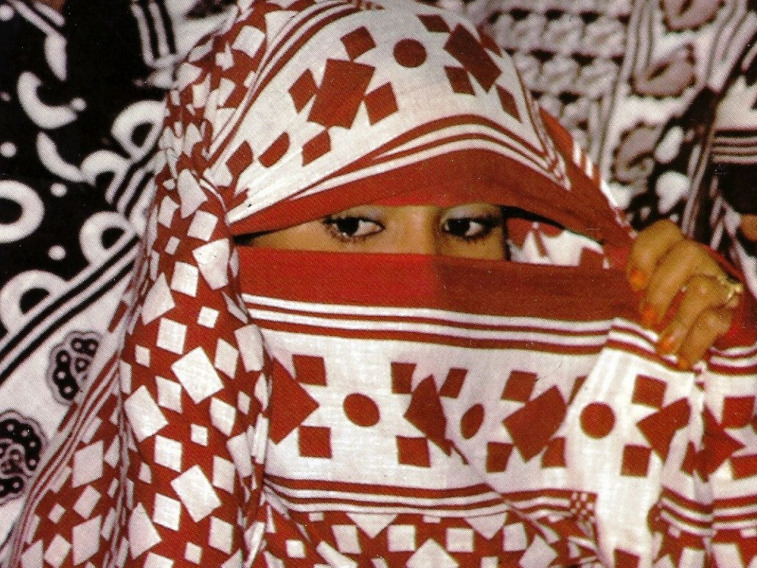
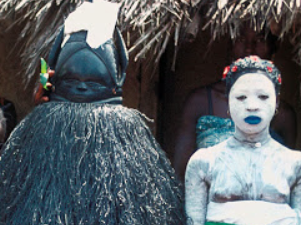
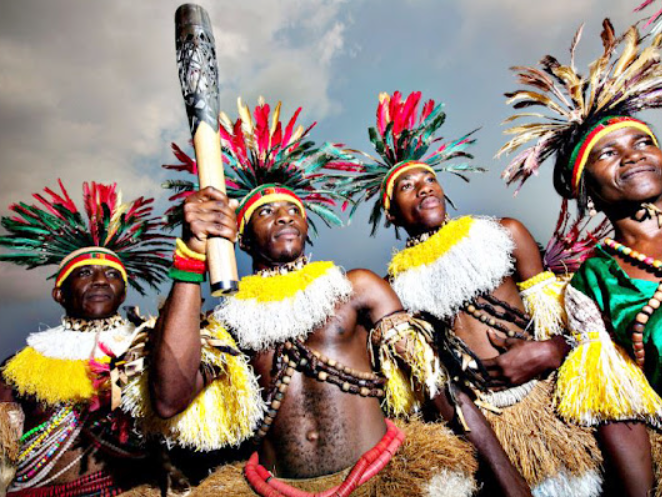
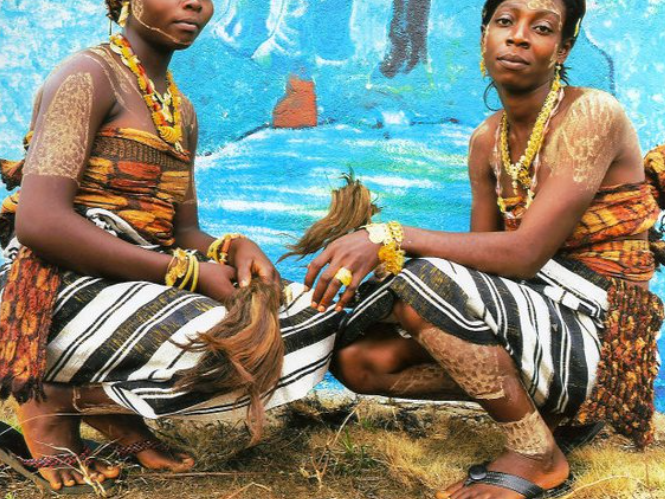
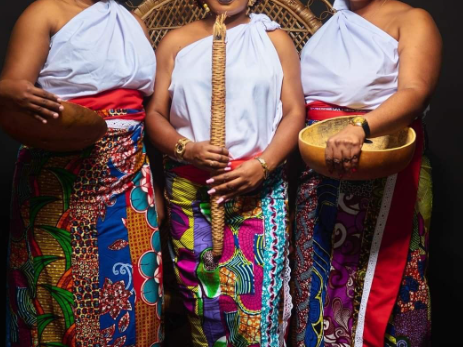
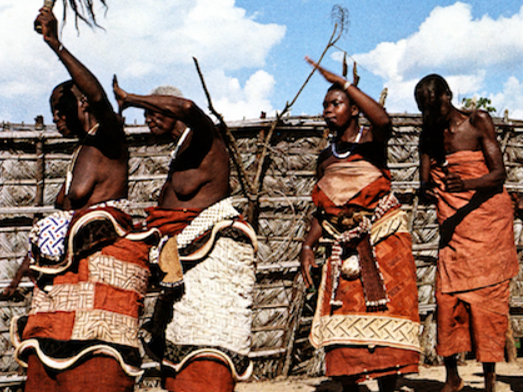
Attire is categorized by clan, distinguished through specific colours in beadwork and headbands; for women, these colours reflect their husband's clan, and they also wear leather skirts and aprons decorated with cowrie shells. Ceremonial colours include ochre, ash, and white chalk, with outfits often complemented by stools and decorative scarification.
Traditional dress includes necklaces and headscarves, often featuring symbols related to cattle. For women, the headband serves as an identity marker, as is the case with body painting used in age-set rituals.
Men's attire as woman is simple, consisting of a loincloth and metal jewelry, along with sticks, spears, or knives that symbolize protection and pastoral duties. Their clothing conveys information about the health of their livestock, their clan affiliation, ceremonial significance, and age groups.
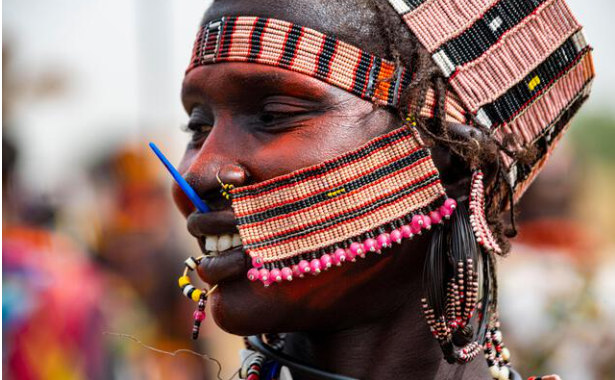
As mark of beuaty, Jiye people, scar their faces and body with bumps and delicated swirls to create dotted patterns.
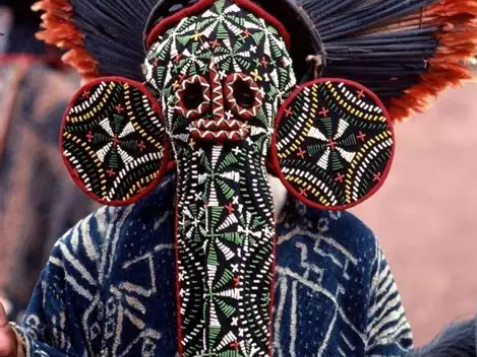
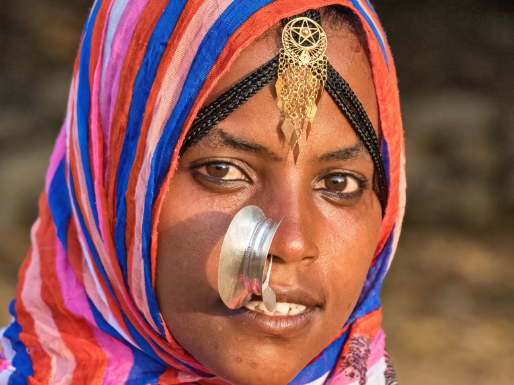
What characterises Jiye people are their large earrings in the mouth and nose, which are very distinctive for their identity, with attention to the colours of each bead, following a line of linear and triangular geometry.
Beadwork masters.
Visually, it is a beautiful work of art where you can see the hard work craftsmanship in it.
Using colour as their own representation and giving it the power to speak for them.