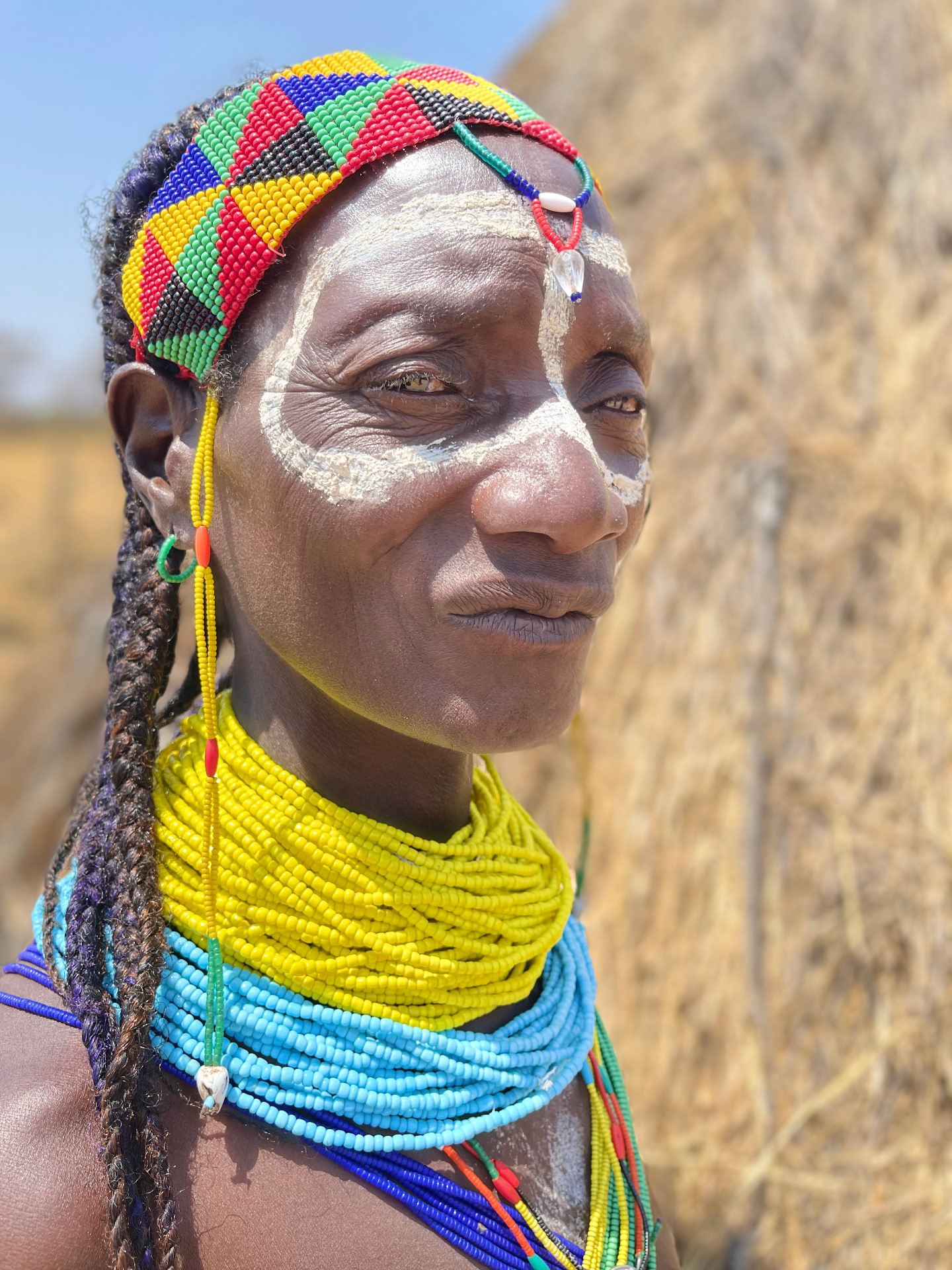
MUHULIA PEOPLE
Muhulia people (Mwila or Muira) are a agro-pastoral community while been a visual testament to a multifaceted identity.
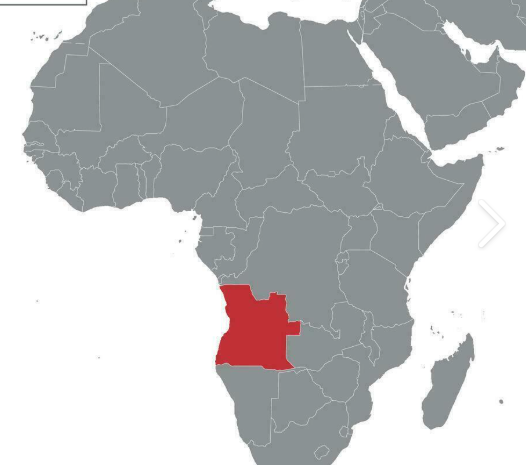
Tribe from the province of south Angola, Huila. Semi-nomad culture coming from Bantu traditions, the Muhulia people settled in their current region during the 17th century, following a severe drought that displaced them from their original lands in the Quilengues, north of Angola.
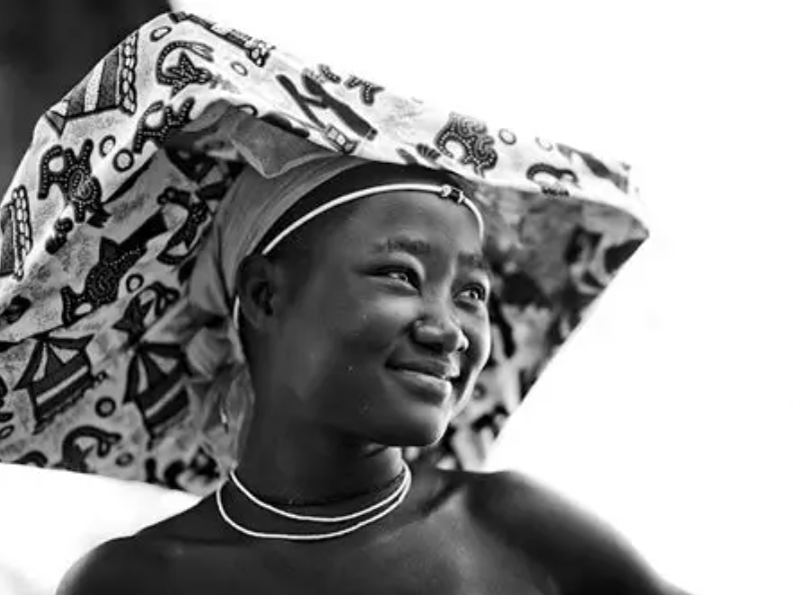
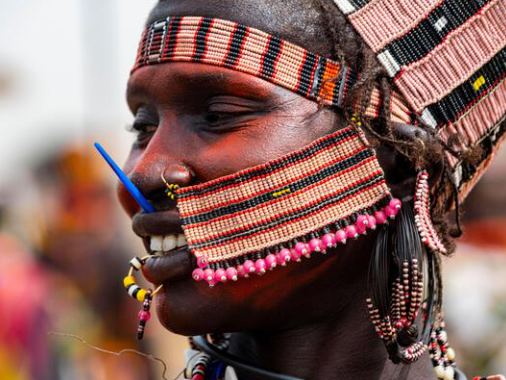
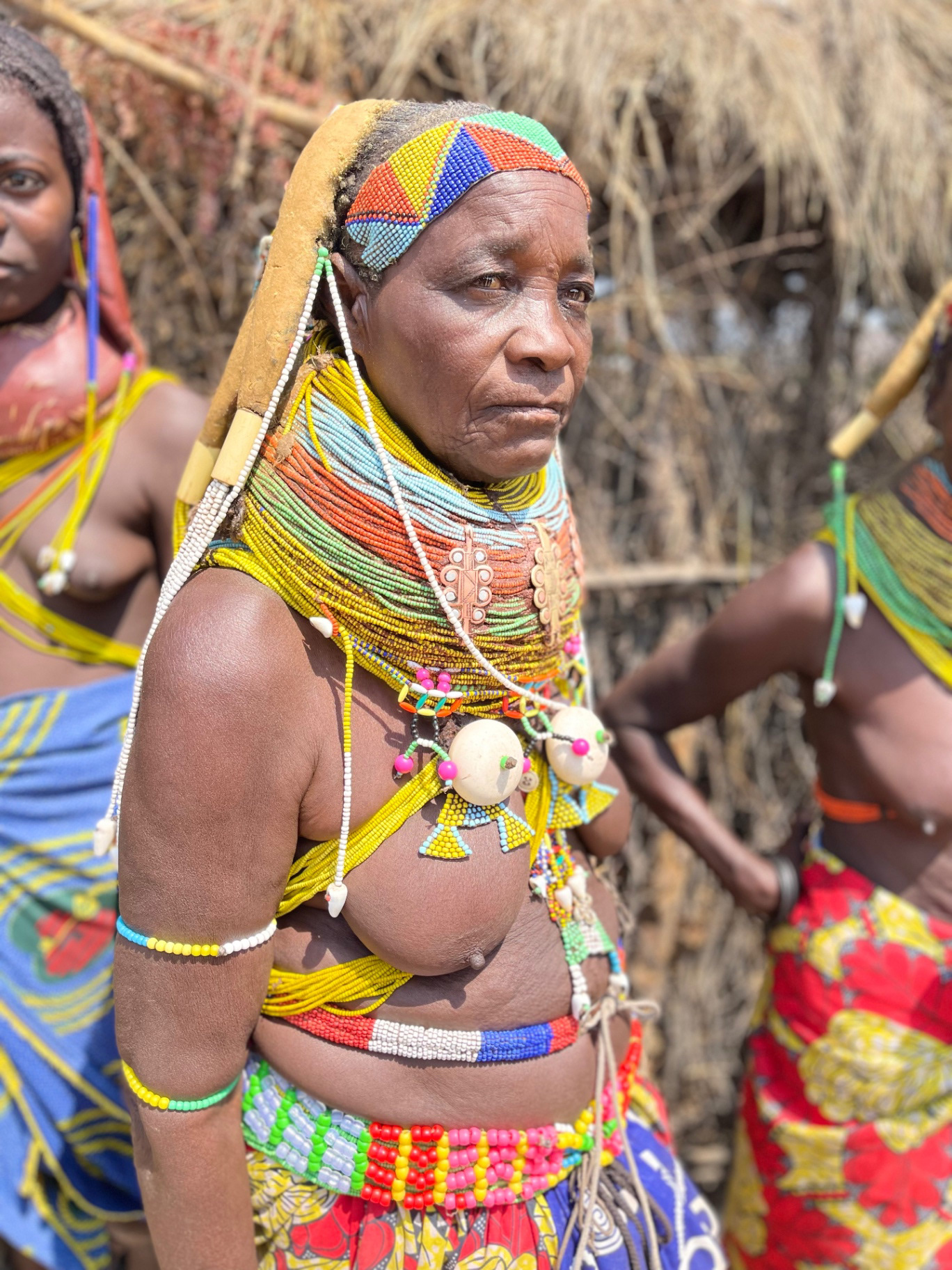
Woman wore hairstyles and adornments where usually represents status, age and belonging as most of the tribes in Africa, each one has their unique styles coming from the same root.
We are known for the preservation of ancestral traditions.
The woman hairstyles (nontombi) on this tribe represents their life stages: marital status, social identity and age group – using clay, butter, natural oils, braided extensions and ornaments. To understand those hairstyles, you must rely on their geography. This arid landscape has directly shaped their beauty practices so it develops methods using natural and available materials born from environmental necessity.
4 or 6 plaits = normal life/3 plaits = mourning in the family.
Foreheads shavings mean beauty, where they can just represent with the silhoutte.
NECKLACES AS LIFECYCLES
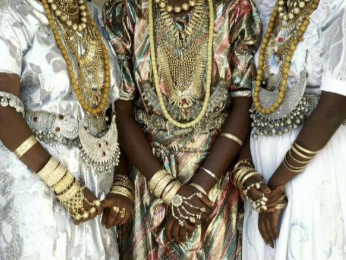
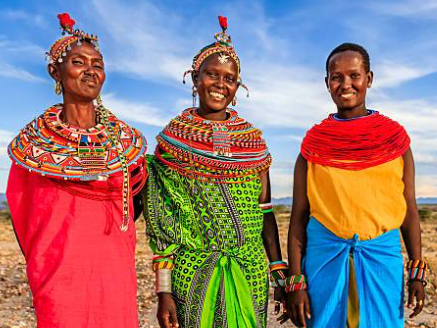
Starts on childhood wearing first red necklaces made from beads covered with a mix of soil and latex. As they grow the first transition would be to the yellow colour mix with mud and given the name of VIKEKA.
Once a woman married she begins to wear a set of stacked bead necklaces called VILANDA.
DRESS PLAY A ROLE IN DAILYLIFE
Their garments are made from cloth and leather. Their garments arrive to FILDA, where their aims are to boost the unity of the national bussines community and country business vision.
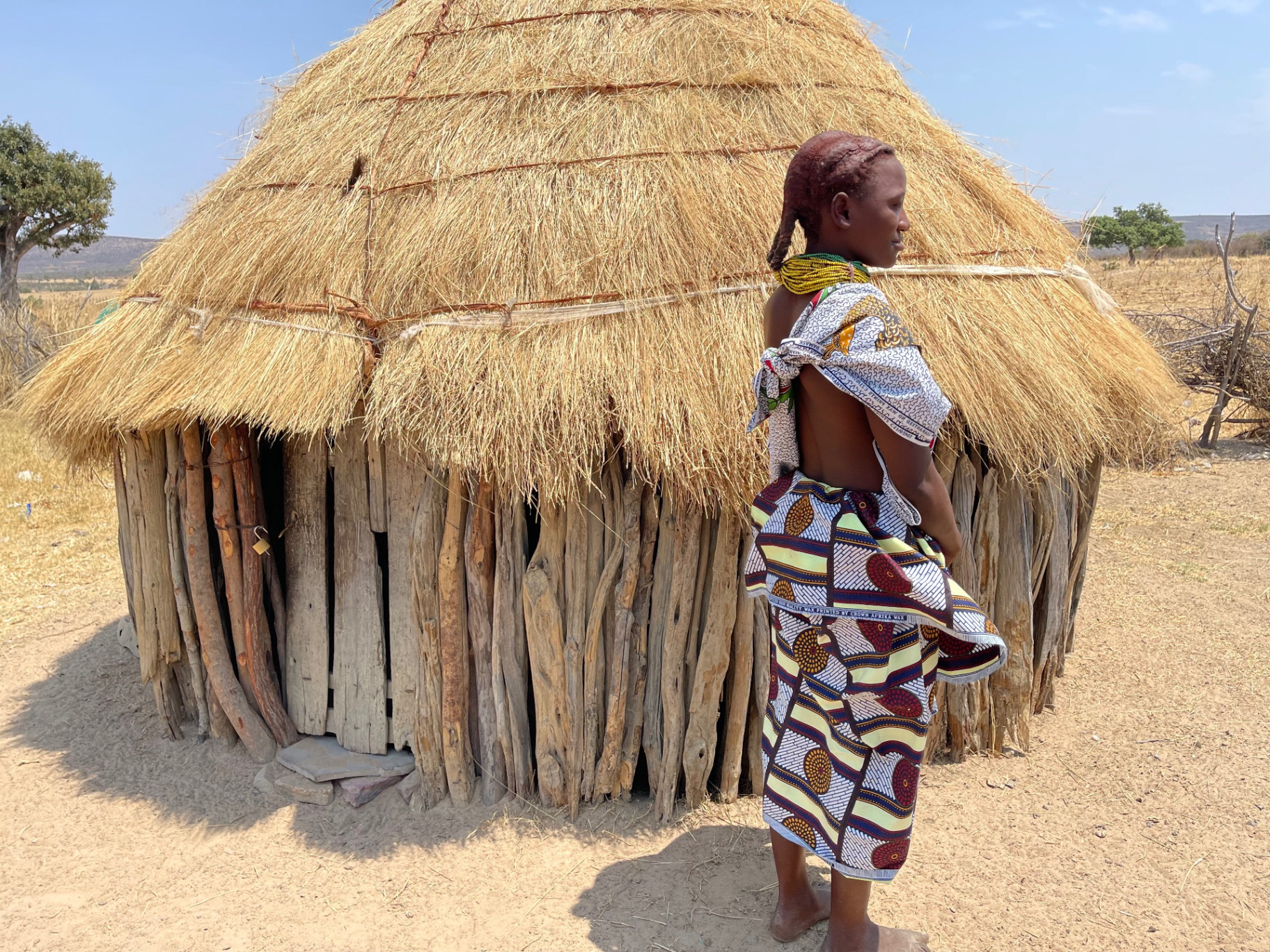
Characterized by their vibrant colours. Weaving progress is a communal activity where you get to know other communities.
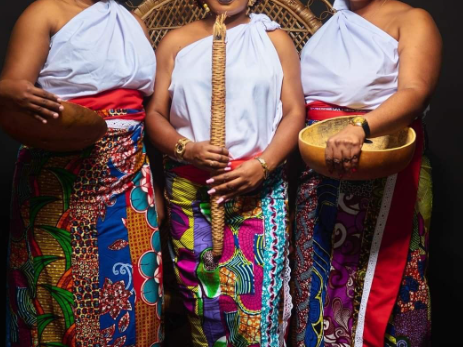
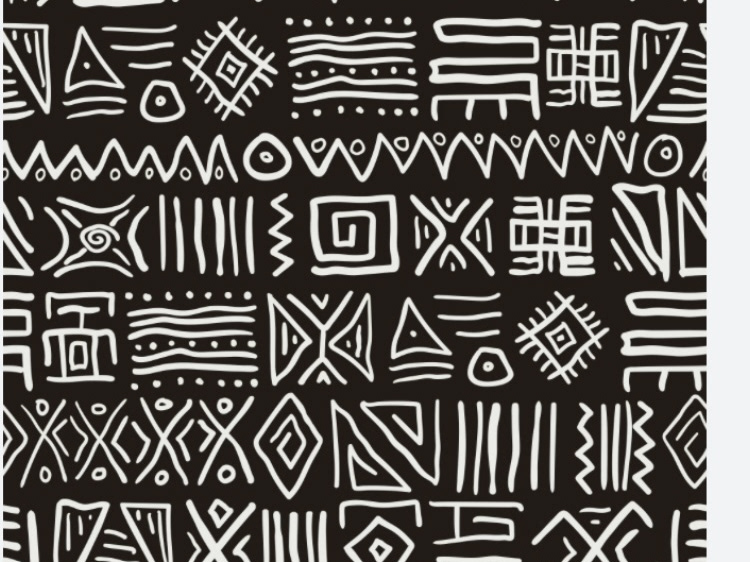
They wear textiles over their waists or shoulders, giving more importance to the hairstyle and necklaces. The patterns on the textiles are more open and rounded, where you can clearly see a central design with the background marked with lines.
These textiles are heritage from the Maya people with the commitment of preserving.